The Ones We Call _ (5 of 5)
by Martins Deep
[Editor’s Note: Click on the image below to view it at full size.]

Martins Deep (he/him) is a budding African poet, photographer/artist, & currently a student of Ahmadu Bello University, Zaria. His works deeply explores the African experience. His creative works have appeared, or are forthcoming on FIYAH, The Roadrunner Review, Barren Magazine, Cream City Review, Eunoia Review, Agbowó Magazine, Surburban Review, Twyckenham Notes, FERAL, Black Lives Matter: Poems for a New World, Lemonsprouting, & elsewhere. He loves jazz, adores Amanda Cook, and fantasizes reincarnating as an owl. He tweets @martinsdeep1
See what happens when you click below.
What surprising, fascinating stuff can you tell us about the origin, drafting, and/or final version of “The Ones We Call _______ ”? These art pieces, as with the several of my works I have had published, come from my heart for the African child. It is my own little attempt at storytelling. They are not just made from a place of empathy, but also, what I love to call, self portraits of myself. They are stories put out there for my African brothers to experience that feeling of belonging. Amazingly, all works here were digitally created with mobile phone. They are drawn from that longing of being a voice in the wilderness. I hope that each work come alive with the truths emptied into them. by Martins Deep Martins Deep (he/him) is a budding African poet, photographer/artist, & currently a student of Ahmadu Bello University, Zaria. His works deeply explores the African experience. His creative works have appeared, or are forthcoming on FIYAH, The Roadrunner Review, Barren Magazine, Cream City Review, Eunoia Review, Agbowó Magazine, Surburban Review, Twyckenham Notes, FERAL, Black Lives Matter: Poems for a New World, Lemonsprouting, & elsewhere. He loves jazz, adores Amanda Cook, and fantasizes reincarnating as an owl. He tweets @martinsdeep1 See what happens when you click below. What surprising, fascinating stuff can you tell us about the origin, drafting, and/or final version of “The Ones We Call _______ ”? These art pieces, as with the several of my works I have had published, come from my heart for the African child. It is my own little attempt at storytelling. They are not just made from a place of empathy, but also, what I love to call, self portraits of myself. They are stories put out there for my African brothers to experience that feeling of belonging. Amazingly, all works here were digitally created with mobile phone. They are drawn from that longing of being a voice in the wilderness. I hope that each work come alive with the truths emptied into them. by Martins Deep Martins Deep (he/him) is a budding African poet, photographer/artist, & currently a student of Ahmadu Bello University, Zaria. His works deeply explores the African experience. His creative works have appeared, or are forthcoming on FIYAH, The Roadrunner Review, Barren Magazine, Cream City Review, Eunoia Review, Agbowó Magazine, Surburban Review, Twyckenham Notes, FERAL, Black Lives Matter: Poems for a New World, Lemonsprouting, & elsewhere. He loves jazz, adores Amanda Cook, and fantasizes reincarnating as an owl. He tweets @martinsdeep1 See what happens when you click below. What surprising, fascinating stuff can you tell us about the origin, drafting, and/or final version of “The Ones We Call _______ ”? These art pieces, as with the several of my works I have had published, come from my heart for the African child. It is my own little attempt at storytelling. They are not just made from a place of empathy, but also, what I love to call, self portraits of myself. They are stories put out there for my African brothers to experience that feeling of belonging. Amazingly, all works here were digitally created with mobile phone. They are drawn from that longing of being a voice in the wilderness. I hope that each work come alive with the truths emptied into them. by Martins Deep Martins Deep (he/him) is a budding African poet, photographer/artist, & currently a student of Ahmadu Bello University, Zaria. His works deeply explores the African experience. His creative works have appeared, or are forthcoming on FIYAH, The Roadrunner Review, Barren Magazine, Cream City Review, Eunoia Review, Agbowó Magazine, Surburban Review, Twyckenham Notes, FERAL, Black Lives Matter: Poems for a New World, Lemonsprouting, & elsewhere. He loves jazz, adores Amanda Cook, and fantasizes reincarnating as an owl. He tweets @martinsdeep1 See what happens when you click below. What surprising, fascinating stuff can you tell us about the origin, drafting, and/or final version of “The Ones We Call _______ ”? These art pieces, as with the several of my works I have had published, come from my heart for the African child. It is my own little attempt at storytelling. They are not just made from a place of empathy, but also, what I love to call, self portraits of myself. They are stories put out there for my African brothers to experience that feeling of belonging. Amazingly, all works here were digitally created with mobile phone. They are drawn from that longing of being a voice in the wilderness. I hope that each work come alive with the truths emptied into them. by Martins Deep Martins Deep (he/him) is a budding African poet, photographer/artist, & currently a student of Ahmadu Bello University, Zaria. His works deeply explores the African experience. His creative works have appeared, or are forthcoming on FIYAH, The Roadrunner Review, Barren Magazine, Cream City Review, Eunoia Review, Agbowó Magazine, Surburban Review, Twyckenham Notes, FERAL, Black Lives Matter: Poems for a New World, Lemonsprouting, & elsewhere. He loves jazz, adores Amanda Cook, and fantasizes reincarnating as an owl. He tweets @martinsdeep1 See what happens when you click below. What surprising, fascinating stuff can you tell us about the origin, drafting, and/or final version of “The Ones We Call _______ ”? These art pieces, as with the several of my works I have had published, come from my heart for the African child. It is my own little attempt at storytelling. They are not just made from a place of empathy, but also, what I love to call, self portraits of myself. They are stories put out there for my African brothers to experience that feeling of belonging. Amazingly, all works here were digitally created with mobile phone. They are drawn from that longing of being a voice in the wilderness. I hope that each work come alive with the truths emptied into them. by Erika Kanda Erika Kanda lives in Northern Virginia, USA with her partner. She holds an MA in literature, an MFA in creative writing, and a cat in her lap as she types. She loves hot press paper, matcha macarons, and all things speculative See what happens when you click below. What surprising, fascinating stuff can you tell us about the origin, drafting, and/or final version of “The Accident”? My grandma’s house is full of accidental antiques, because she cares for things so well. That’s how, when I went to visit her over a long weekend, we were able to spend our time together looking through the past. Her paper ephemera is all in crisp condition, and she showed me those snippets of her life –report cards from the 1940s, a hairdressing license from 50s, court proceedings from the 80s, and even typewritten letters to herself from the 90s. In one of these letters, she questions how she suffered a severe personality change and brain injury “from that car accident they say was in July of 1986.” I remember, as a curious child, asking others about the accident. It wasn’t until reading her letters I realized that she had to ask too. The two of us have only heard stories about what happened – about how and who she used to be. In drafting “The Accident,” I’ve tried to recreate that weekend we spent together: piecing together the timeline and fallout of something incomprehensible. I love my grandma as the kind and caring hero she’s always been to me. But when I told her how glad I was she didn’t die, she didn’t smile back. She put her papers away softly and said, “I did die. I just can’t remember.” by Amy Bobeda Amy is an artist living in Colorado, pursing her MFA in Creative Writing and Poetics. She’s the founder of Wisdom Body Collective–an artist collective exploring the embodiment of the sacred feminine. She’s also the founder of the Ekphrasis Salon. More about her and her work can be found on her website http://blondewanderlust.com See what happens when you click below. What surprising, fascinating stuff can you tell us about the origin, drafting, and/or final version of “The American Wing collage series”? I came across a book American Paintings of the Metropolitan Museum of Art, a catalogue of a 1966 exhibition in Los Angeles, the week after my most recent trip to the Met. I am continually struck by the portrait of James Badger, the young boy in the light blue frock coat holding a small bird at his chest. This is the first image I see in the wing of the museum, and the fist image in the catalogue. I shrunk each painting into half or quarter size on the copier, with the end goal to create a two inch collage. I hoped the intimacy and distance would bring some peace of mind, some remark on lineage. The truth is, The American Wing is my least favorite gallery. I struggle each time I wander through the memories of our landscape, wondering how I fit among the pieces as an American artist. Each cut up became a way to imagine a different, perhaps, softer or more overt version of America’s making. A series of twenty two-inch images manifested in a single night. Months later, I found myself slipping words from the New York Times Magazine under the edges, creating a new layer of history, or commentary. Some of the images have manifested in surrealist stories, images of the New York I love, hanging on the periphery. A home away from home, I now realize will be quite different the next time I return. by Amy Bobeda Amy is an artist living in Colorado, pursing her MFA in Creative Writing and Poetics. She’s the founder of Wisdom Body Collective–an artist collective exploring the embodiment of the sacred feminine. She’s also the founder of the Ekphrasis Salon. More about her and her work can be found on her website http://blondewanderlust.com See what happens when you click below. What surprising, fascinating stuff can you tell us about the origin, drafting, and/or final version of “The American Wing collage series”? I came across a book American Paintings of the Metropolitan Museum of Art, a catalogue of a 1966 exhibition in Los Angeles, the week after my most recent trip to the Met. I am continually struck by the portrait of James Badger, the young boy in the light blue frock coat holding a small bird at his chest. This is the first image I see in the wing of the museum, and the fist image in the catalogue. I shrunk each painting into half or quarter size on the copier, with the end goal to create a two inch collage. I hoped the intimacy and distance would bring some peace of mind, some remark on lineage. The truth is, The American Wing is my least favorite gallery. I struggle each time I wander through the memories of our landscape, wondering how I fit among the pieces as an American artist. Each cut up became a way to imagine a different, perhaps, softer or more overt version of America’s making. A series of twenty two-inch images manifested in a single night. Months later, I found myself slipping words from the New York Times Magazine under the edges, creating a new layer of history, or commentary. Some of the images have manifested in surrealist stories, images of the New York I love, hanging on the periphery. A home away from home, I now realize will be quite different the next time I return. by Başak Yirmibeşoğlu Başak Yirmibeşoğlu is 21 years old Communication and Design student. She is passionate about journalism. She is a freelance writer who focuses on art, fashion, feminism and other topics. Her work has appeared in JeJune Magazine, Tint Journal and DoveTales Journal. She is also an angry feminist and loves to make creepy collages about her activism. You can find her works on https://basakyirmibesoglu.contently.com/?public_only=true. See what happens when you click below. What surprising, fascinating stuff can you tell us about the origin, drafting, and/or final version of “Homage”? It is two series so it has two names: Homage to John Baldessari is a collage series that celebrates John Baldessari’s signature style. This work is a dedication to Baldessari’s conceptual art. It is an absurd collage which integrates with the food we eat and photographs while the fruit loses its function. Homage to Agnés Varda is a joyful and angry collage that reflect women’s mind purely. Agnes Varda is not only my favorite director but also she is an idol for me. I wanted to homage her creative mind. Agnés Varda’s “I tried to be a joyful feminist, but I was very angry.” quote gave inspiration to this collage. It reminds me of all angry feminists who never give up on their struggles. by Amy Bobeda Amy is an artist living in Colorado, pursing her MFA in Creative Writing and Poetics. She’s the founder of Wisdom Body Collective–an artist collective exploring the embodiment of the sacred feminine. She’s also the founder of the Ekphrasis Salon. More about her and her work can be found on her website http://blondewanderlust.com See what happens when you click below. What surprising, fascinating stuff can you tell us about the origin, drafting, and/or final version of “The American Wing collage series”? I came across a book American Paintings of the Metropolitan Museum of Art, a catalogue of a 1966 exhibition in Los Angeles, the week after my most recent trip to the Met. I am continually struck by the portrait of James Badger, the young boy in the light blue frock coat holding a small bird at his chest. This is the first image I see in the wing of the museum, and the fist image in the catalogue. I shrunk each painting into half or quarter size on the copier, with the end goal to create a two inch collage. I hoped the intimacy and distance would bring some peace of mind, some remark on lineage. The truth is, The American Wing is my least favorite gallery. I struggle each time I wander through the memories of our landscape, wondering how I fit among the pieces as an American artist. Each cut up became a way to imagine a different, perhaps, softer or more overt version of America’s making. A series of twenty two-inch images manifested in a single night. Months later, I found myself slipping words from the New York Times Magazine under the edges, creating a new layer of history, or commentary. Some of the images have manifested in surrealist stories, images of the New York I love, hanging on the periphery. A home away from home, I now realize will be quite different the next time I return. by Amy Bobeda Amy is an artist living in Colorado, pursing her MFA in Creative Writing and Poetics. She’s the founder of Wisdom Body Collective–an artist collective exploring the embodiment of the sacred feminine. She’s also the founder of the Ekphrasis Salon. More about her and her work can be found on her website http://blondewanderlust.com See what happens when you click below. What surprising, fascinating stuff can you tell us about the origin, drafting, and/or final version of “The American Wing collage series”? I came across a book American Paintings of the Metropolitan Museum of Art, a catalogue of a 1966 exhibition in Los Angeles, the week after my most recent trip to the Met. I am continually struck by the portrait of James Badger, the young boy in the light blue frock coat holding a small bird at his chest. This is the first image I see in the wing of the museum, and the fist image in the catalogue. I shrunk each painting into half or quarter size on the copier, with the end goal to create a two inch collage. I hoped the intimacy and distance would bring some peace of mind, some remark on lineage. The truth is, The American Wing is my least favorite gallery. I struggle each time I wander through the memories of our landscape, wondering how I fit among the pieces as an American artist. Each cut up became a way to imagine a different, perhaps, softer or more overt version of America’s making. A series of twenty two-inch images manifested in a single night. Months later, I found myself slipping words from the New York Times Magazine under the edges, creating a new layer of history, or commentary. Some of the images have manifested in surrealist stories, images of the New York I love, hanging on the periphery. A home away from home, I now realize will be quite different the next time I return. by Amy Bobeda Amy is an artist living in Colorado, pursing her MFA in Creative Writing and Poetics. She’s the founder of Wisdom Body Collective–an artist collective exploring the embodiment of the sacred feminine. She’s also the founder of the Ekphrasis Salon. More about her and her work can be found on her website http://blondewanderlust.com See what happens when you click below. What surprising, fascinating stuff can you tell us about the origin, drafting, and/or final version of “The American Wing collage series”? I came across a book American Paintings of the Metropolitan Museum of Art, a catalogue of a 1966 exhibition in Los Angeles, the week after my most recent trip to the Met. I am continually struck by the portrait of James Badger, the young boy in the light blue frock coat holding a small bird at his chest. This is the first image I see in the wing of the museum, and the fist image in the catalogue. I shrunk each painting into half or quarter size on the copier, with the end goal to create a two inch collage. I hoped the intimacy and distance would bring some peace of mind, some remark on lineage. The truth is, The American Wing is my least favorite gallery. I struggle each time I wander through the memories of our landscape, wondering how I fit among the pieces as an American artist. Each cut up became a way to imagine a different, perhaps, softer or more overt version of America’s making. A series of twenty two-inch images manifested in a single night. Months later, I found myself slipping words from the New York Times Magazine under the edges, creating a new layer of history, or commentary. Some of the images have manifested in surrealist stories, images of the New York I love, hanging on the periphery. A home away from home, I now realize will be quite different the next time I return. by Amy Bobeda Amy is an artist living in Colorado, pursing her MFA in Creative Writing and Poetics. She’s the founder of Wisdom Body Collective–an artist collective exploring the embodiment of the sacred feminine. She’s also the founder of the Ekphrasis Salon. More about her and her work can be found on her website http://blondewanderlust.com See what happens when you click below. What surprising, fascinating stuff can you tell us about the origin, drafting, and/or final version of “The American Wing collage series”? I came across a book American Paintings of the Metropolitan Museum of Art, a catalogue of a 1966 exhibition in Los Angeles, the week after my most recent trip to the Met. I am continually struck by the portrait of James Badger, the young boy in the light blue frock coat holding a small bird at his chest. This is the first image I see in the wing of the museum, and the fist image in the catalogue. I shrunk each painting into half or quarter size on the copier, with the end goal to create a two inch collage. I hoped the intimacy and distance would bring some peace of mind, some remark on lineage. The truth is, The American Wing is my least favorite gallery. I struggle each time I wander through the memories of our landscape, wondering how I fit among the pieces as an American artist. Each cut up became a way to imagine a different, perhaps, softer or more overt version of America’s making. A series of twenty two-inch images manifested in a single night. Months later, I found myself slipping words from the New York Times Magazine under the edges, creating a new layer of history, or commentary. Some of the images have manifested in surrealist stories, images of the New York I love, hanging on the periphery. A home away from home, I now realize will be quite different the next time I return. by Darlene Scott
darlene anita scott is a poet and mixed media visual artist. Her photography has been featured in Barren Magazine, Persephone’s Daughters, and The Auburn Avenue. Her artwork has been featured in The Journal, Star 82 Review, and The West Review. Scott’s recent poetry appears in the anthologies Furious Flower: Seeding the Future of African American Poetry and Revisiting the Elegy in the Black Lives Matters Era, a volume she co-edited. Scott lives in Virginia. See what happens when you click below. What surprising, fascinating stuff can you tell us about the origin, drafting, and/or final version of “Breathing Lessons” & “Special”? They’ve lived multiple lives. “Breathing Lessons” began as a full-length poem called “Breathing Lessons 101” that I wrote while exploring the navigation of good girls of color. It was the first and title poem of the manuscript I was developing. For a while, a few years, the full poem lived as a photo book I shared with family and friends while I gathered material for the manuscript. The image in the piece was one I had taken in 2007. As my exploration of the “good girl” grew into a full series of collages called “Tropism,” I tried my hand at digitally coalescing the images with text—I’m a collagist at heart. So this iteration was born around 2016. “Special,” also first a collage in the “Tropism” series lived a long part of its life without text too. by Serge Lecomte He was the poetry editor for Paper Radio for several years. He worked as a house builder, pipefitter, orderly in a hospital, gardener, landscaper, driller for an assaying company, bartender in one of Fairbanks’ worst bars, and other jobs. He resided on the Kenai Peninsula, Alaska for 15 years and recently moved to Bellingham, WA. See what happens when you click below. What surprising, fascinating stuff can you tell us about the origin, drafting, and/or final version of “The Camels’ Apple Tree Series”? Serge Lecomte began his life as a writer, publishing numerous poetry collections and graduating to novels. His novels could be described as somewhat surreal. Crossed realities usually yield amazing and sometimes shocking results. He works mainly in acrylics on watercolor paper but has recently begun working on canvas. He would describe his work as eclectic because he is still learning and is willing to experiment with shapes and colors depending on the mood (sometimes contradictory) of the theme he might be working on. The images are a blend of the natural world and imaginary creatures. Some of his paintings have a message (subtle), most do not. But then you see what you want to see and hear what you want to hear. After all, everyone has a view and take on the world around them. I am engaged with the world around him and vice versa. by Serge Lecomte Serge Lecomte was born in Belgium. He came to the States where he spent his teens in South Philly and then Brooklyn. After graduating from Tilden H. S. he worked for New York Life Insurance Company. He joined the Medical Corps in the Air Force and was sent to Selma, Alabama during the Civil Rights Movement. There he was a crewmember on helicopter rescue. He received a B.A. in Russian Studies from the University of Alabama. Earned an M.A. and Ph.D. from Vanderbilt University in Russian Literature with a minor in French Literature. He worked as a Green Beret language instructor at Fort Bragg, NC from 1975-78. In 1988 he received a B.A. from the University of Alaska Fairbanks in Spanish Literature. He worked as a language teacher at the University of Alaska (1978-1997). He was the poetry editor for Paper Radio for several years. He worked as a house builder, pipefitter, orderly in a hospital, gardener, landscaper, driller for an assaying company, bartender in one of Fairbanks’ worst bars, and other jobs. He resided on the Kenai Peninsula, Alaska for 15 years and recently moved to Bellingham, WA. See what happens when you click below. What surprising, fascinating stuff can you tell us about the origin, drafting, and/or final version of “The Camels’ Apple Tree Series”? Serge Lecomte began his life as a writer, publishing numerous poetry collections and graduating to novels. His novels could be described as somewhat surreal. Crossed realities usually yield amazing and sometimes shocking results. He works mainly in acrylics on watercolor paper but has recently begun working on canvas. He would describe his work as eclectic because he is still learning and is willing to experiment with shapes and colors depending on the mood (sometimes contradictory) of the theme he might be working on. The images are a blend of the natural world and imaginary creatures. Some of his paintings have a message (subtle), most do not. But then you see what you want to see and hear what you want to hear. After all, everyone has a view and take on the world around them. I am engaged with the world around him and vice versa. by Serge Lecomte Serge Lecomte was born in Belgium. He came to the States where he spent his teens in South Philly and then Brooklyn. After graduating from Tilden H. S. he worked for New York Life Insurance Company. He joined the Medical Corps in the Air Force and was sent to Selma, Alabama during the Civil Rights Movement. There he was a crewmember on helicopter rescue. He received a B.A. in Russian Studies from the University of Alabama. Earned an M.A. and Ph.D. from Vanderbilt University in Russian Literature with a minor in French Literature. He worked as a Green Beret language instructor at Fort Bragg, NC from 1975-78. In 1988 he received a B.A. from the University of Alaska Fairbanks in Spanish Literature. He worked as a language teacher at the University of Alaska (1978-1997). He was the poetry editor for Paper Radio for several years. He worked as a house builder, pipefitter, orderly in a hospital, gardener, landscaper, driller for an assaying company, bartender in one of Fairbanks’ worst bars, and other jobs. He resided on the Kenai Peninsula, Alaska for 15 years and recently moved to Bellingham, WA. See what happens when you click below. What surprising, fascinating stuff can you tell us about the origin, drafting, and/or final version of “The Camels’ Apple Tree Series”? Serge Lecomte began his life as a writer, publishing numerous poetry collections and graduating to novels. His novels could be described as somewhat surreal. Crossed realities usually yield amazing and sometimes shocking results. He works mainly in acrylics on watercolor paper but has recently begun working on canvas. He would describe his work as eclectic because he is still learning and is willing to experiment with shapes and colors depending on the mood (sometimes contradictory) of the theme he might be working on. The images are a blend of the natural world and imaginary creatures. Some of his paintings have a message (subtle), most do not. But then you see what you want to see and hear what you want to hear. After all, everyone has a view and take on the world around them. I am engaged with the world around him and vice versa. by Serge Lecomte Serge Lecomte was born in Belgium. He came to the States where he spent his teens in South Philly and then Brooklyn. After graduating from Tilden H. S. he worked for New York Life Insurance Company. He joined the Medical Corps in the Air Force and was sent to Selma, Alabama during the Civil Rights Movement. There he was a crewmember on helicopter rescue. He received a B.A. in Russian Studies from the University of Alabama. Earned an M.A. and Ph.D. from Vanderbilt University in Russian Literature with a minor in French Literature. He worked as a Green Beret language instructor at Fort Bragg, NC from 1975-78. In 1988 he received a B.A. from the University of Alaska Fairbanks in Spanish Literature. He worked as a language teacher at the University of Alaska (1978-1997). He was the poetry editor for Paper Radio for several years. He worked as a house builder, pipefitter, orderly in a hospital, gardener, landscaper, driller for an assaying company, bartender in one of Fairbanks’ worst bars, and other jobs. He resided on the Kenai Peninsula, Alaska for 15 years and recently moved to Bellingham, WA. See what happens when you click below. What surprising, fascinating stuff can you tell us about the origin, drafting, and/or final version of “The Camels’ Apple Tree Series”? Serge Lecomte began his life as a writer, publishing numerous poetry collections and graduating to novels. His novels could be described as somewhat surreal. Crossed realities usually yield amazing and sometimes shocking results. He works mainly in acrylics on watercolor paper but has recently begun working on canvas. He would describe his work as eclectic because he is still learning and is willing to experiment with shapes and colors depending on the mood (sometimes contradictory) of the theme he might be working on. The images are a blend of the natural world and imaginary creatures. Some of his paintings have a message (subtle), most do not. But then you see what you want to see and hear what you want to hear. After all, everyone has a view and take on the world around them. I am engaged with the world around him and vice versa. by Serge Lecomte Serge Lecomte was born in Belgium. He came to the States where he spent his teens in South Philly and then Brooklyn. After graduating from Tilden H. S. he worked for New York Life Insurance Company. He joined the Medical Corps in the Air Force and was sent to Selma, Alabama during the Civil Rights Movement. There he was a crewmember on helicopter rescue. He received a B.A. in Russian Studies from the University of Alabama. Earned an M.A. and Ph.D. from Vanderbilt University in Russian Literature with a minor in French Literature. He worked as a Green Beret language instructor at Fort Bragg, NC from 1975-78. In 1988 he received a B.A. from the University of Alaska Fairbanks in Spanish Literature. He worked as a language teacher at the University of Alaska (1978-1997). He was the poetry editor for Paper Radio for several years. He worked as a house builder, pipefitter, orderly in a hospital, gardener, landscaper, driller for an assaying company, bartender in one of Fairbanks’ worst bars, and other jobs. He resided on the Kenai Peninsula, Alaska for 15 years and recently moved to Bellingham, WA. See what happens when you click below. What surprising, fascinating stuff can you tell us about the origin, drafting, and/or final version of “The Camels’ Apple Tree Series”? Serge Lecomte began his life as a writer, publishing numerous poetry collections and graduating to novels. His novels could be described as somewhat surreal. Crossed realities usually yield amazing and sometimes shocking results. He works mainly in acrylics on watercolor paper but has recently begun working on canvas. He would describe his work as eclectic because he is still learning and is willing to experiment with shapes and colors depending on the mood (sometimes contradictory) of the theme he might be working on. The images are a blend of the natural world and imaginary creatures. Some of his paintings have a message (subtle), most do not. But then you see what you want to see and hear what you want to hear. After all, everyone has a view and take on the world around them. I am engaged with the world around him and vice versa. by Serge Lecomte Serge Lecomte was born in Belgium. He came to the States where he spent his teens in South Philly and then Brooklyn. After graduating from Tilden H. S. he worked for New York Life Insurance Company. He joined the Medical Corps in the Air Force and was sent to Selma, Alabama during the Civil Rights Movement. There he was a crewmember on helicopter rescue. He received a B.A. in Russian Studies from the University of Alabama. Earned an M.A. and Ph.D. from Vanderbilt University in Russian Literature with a minor in French Literature. He worked as a Green Beret language instructor at Fort Bragg, NC from 1975-78. In 1988 he received a B.A. from the University of Alaska Fairbanks in Spanish Literature. He worked as a language teacher at the University of Alaska (1978-1997). He was the poetry editor for Paper Radio for several years. He worked as a house builder, pipefitter, orderly in a hospital, gardener, landscaper, driller for an assaying company, bartender in one of Fairbanks’ worst bars, and other jobs. He resided on the Kenai Peninsula, Alaska for 15 years and recently moved to Bellingham, WA. See what happens when you click below. What surprising, fascinating stuff can you tell us about the origin, drafting, and/or final version of “The Camels’ Apple Tree Series”? Serge Lecomte began his life as a writer, publishing numerous poetry collections and graduating to novels. His novels could be described as somewhat surreal. Crossed realities usually yield amazing and sometimes shocking results. He works mainly in acrylics on watercolor paper but has recently begun working on canvas. He would describe his work as eclectic because he is still learning and is willing to experiment with shapes and colors depending on the mood (sometimes contradictory) of the theme he might be working on. The images are a blend of the natural world and imaginary creatures. Some of his paintings have a message (subtle), most do not. But then you see what you want to see and hear what you want to hear. After all, everyone has a view and take on the world around them. I am engaged with the world around him and vice versa. The Ones We Call _ (4 of 5)

The Ones We Call _ (3 of 5)

The Ones We Call _ (2 of 5)

The Ones We Call _ (1 of 5)

The Accident


American Wing Collage Series (6 of 6)

American Wing Collage Series (5 of 6)

Homage Collage Series

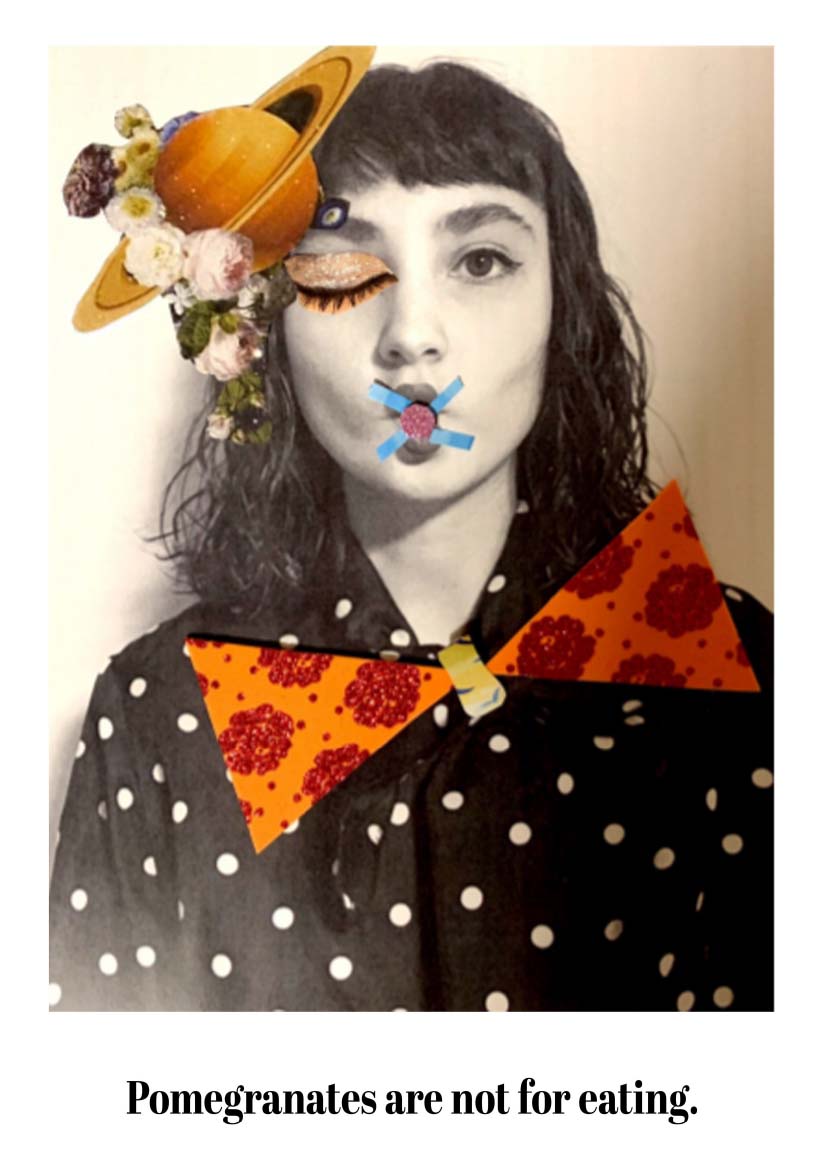


American Wing Collage Series (4 of 6)

American Wing Collage Series (3 of 6)

The American Wing Collage Series (2 of 6)

The American Wing collage series, 1 of 6

Breathing Lessons & Special


The Camels’ Apple Tree Series, 8 of 8

Serge Lecomte was born in Belgium. He came to the States where he spent his teens in South Philly and then Brooklyn. After graduating from Tilden H. S. he worked for New York Life Insurance Company. He joined the Medical Corps in the Air Force and was sent to Selma, Alabama during the Civil Rights Movement. There he was a crewmember on helicopter rescue. He received a B.A. in Russian Studies from the University of Alabama. Earned an M.A. and Ph.D. from Vanderbilt University in Russian Literature with a minor in French Literature. He worked as a Green Beret language instructor at Fort Bragg, NC from 1975-78. In 1988 he received a B.A. from the University of Alaska Fairbanks in Spanish Literature. He worked as a language teacher at the University of Alaska (1978-1997).
The Camels’ Apple Tree Series, 7 of 8

The Camels’ Apple Tree Series, 6 of 8

The Camels’ Apple Tree Series, 5 of 8

The Camels’ Apple Tree Series, 4 of 8

The Camels’ Apple Tree Series, 3 of 8


Check out the write-up of the journal in The Writer.
Matter Press recently released titles from Meg Boscov, Abby Frucht, Robert McBrearty, Tori Bond, Kathy Fish, and Christopher Allen. Click here.
Matter Press is now offering private flash fiction workshops and critiques of flash fiction collections here.
Submissions
Poetry, creative nonfiction, and fiction/prose poetry submissions are now closed. The reading period for standard submissions opens again September 15, 2025. Submit here.
Upcoming
05/04 • Leath Tonino
05/11 • Chris Pellizzari
05/18 • Chris Clemens
05/25 • Clayton Eccard
06/01 • TBD
06/08 • TBD
06/15 • TBD
06/22 • TBD
06/29 • TBD
07/06 • TBD
07/13 • TBD
07/20 • TBD
07/27 • TBD
08/03 • TBD
08/10 • TBD
08/17 • TBD
08/24 • TBD
08/31 • TBD
09/07 • TBD
09/14 • TBD
09/21 • TBD